

A week at Kyrgyzstan’s World Nomad Games2 min read
The sixth edition of ‘Central Asia’s Olympics,’ which took place from August 31 to September 6 was the largest and perhaps the most ambitious edition yet.
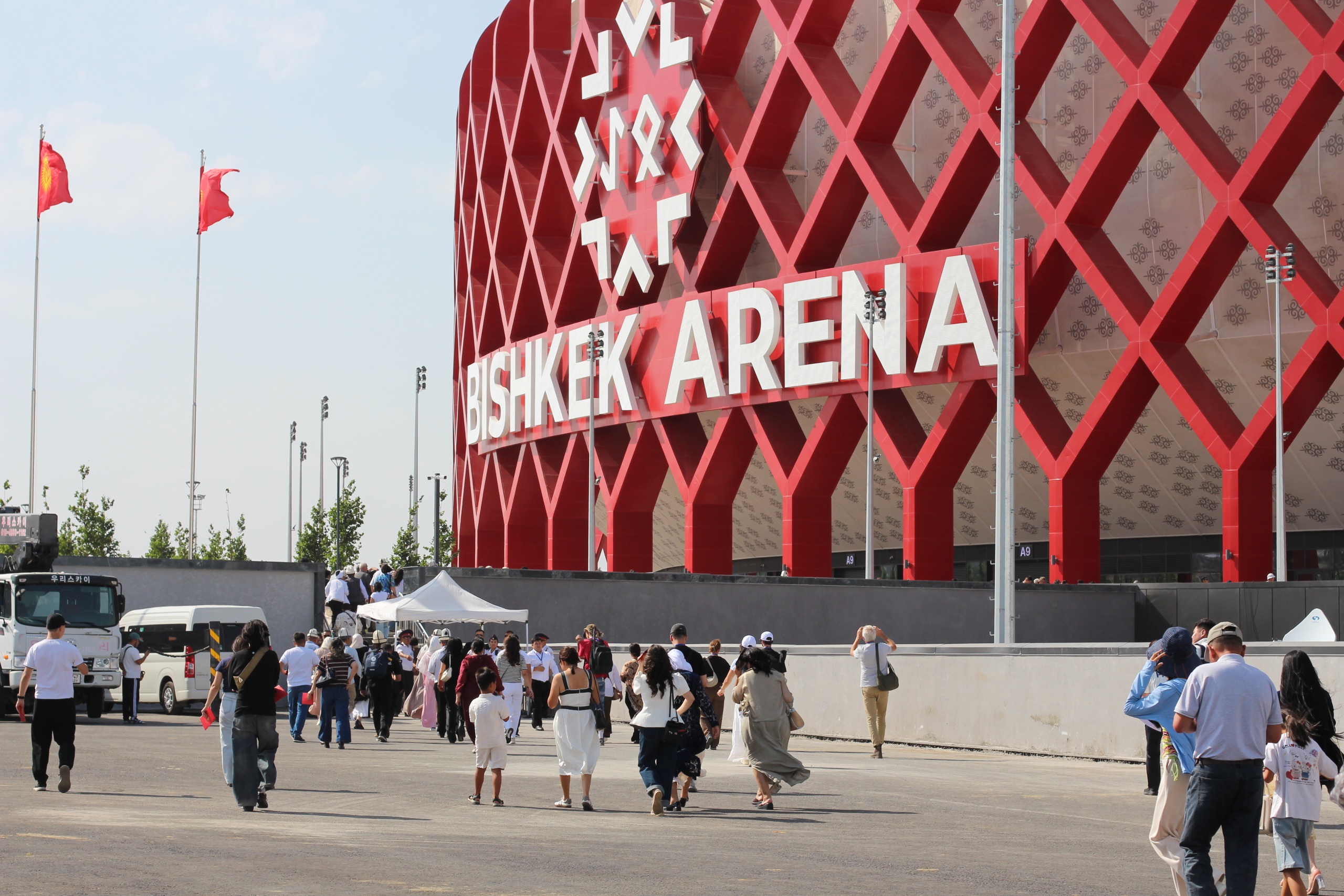
The World Nomad Games got underway on August 31 with an elaborate opening ceremony at the $386 million Bishkek Arena, now Central Asia’s largest stadium.
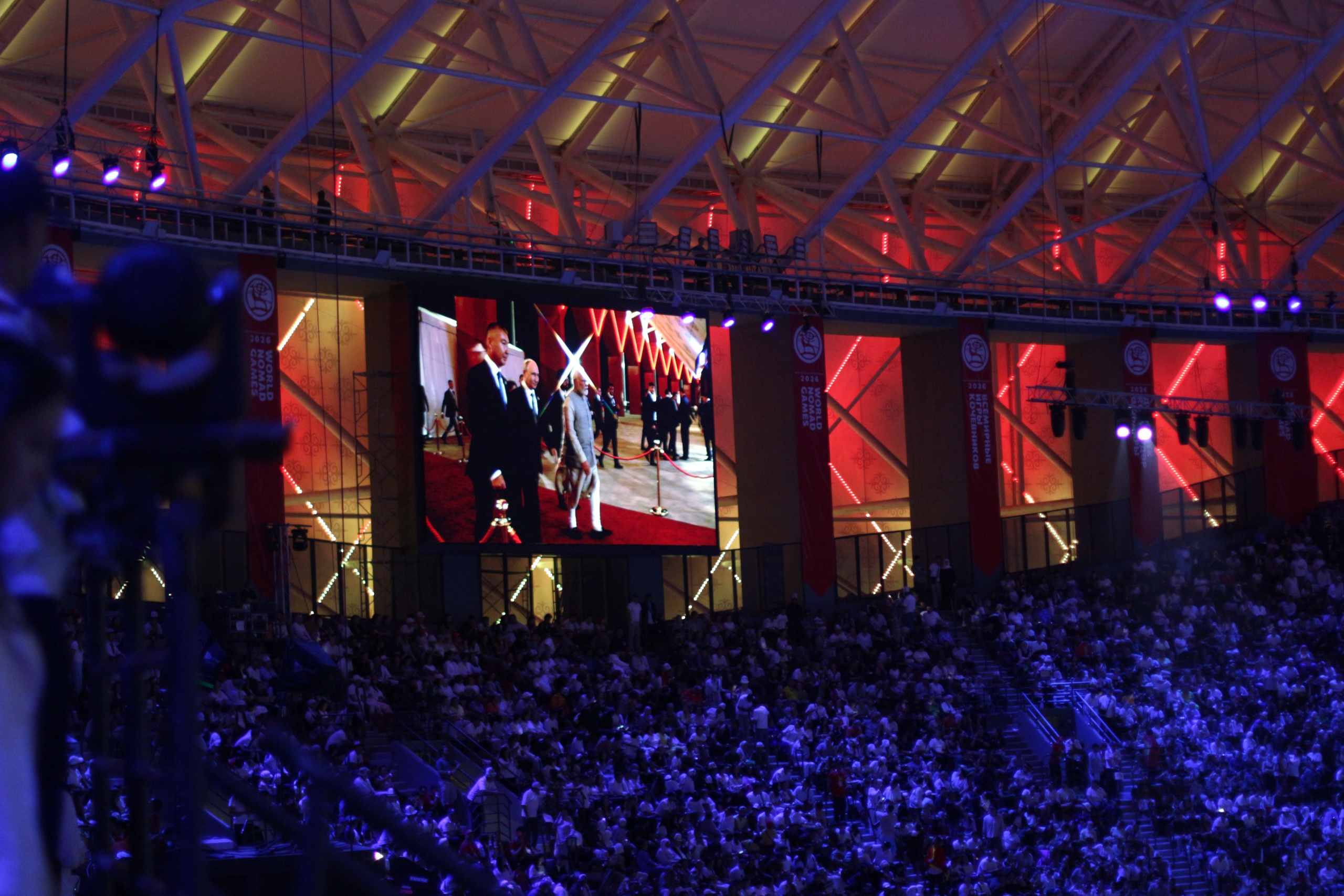
Organizers say 30,000 people attended that day, many of whom clapped as politicians like Indian Prime Minister Narendra Modi and Russian President Vladimir Putin were welcomed by Kyrgyzstan’s President Sadyr Japarov as they arrived, shown on big screens around the stadium.
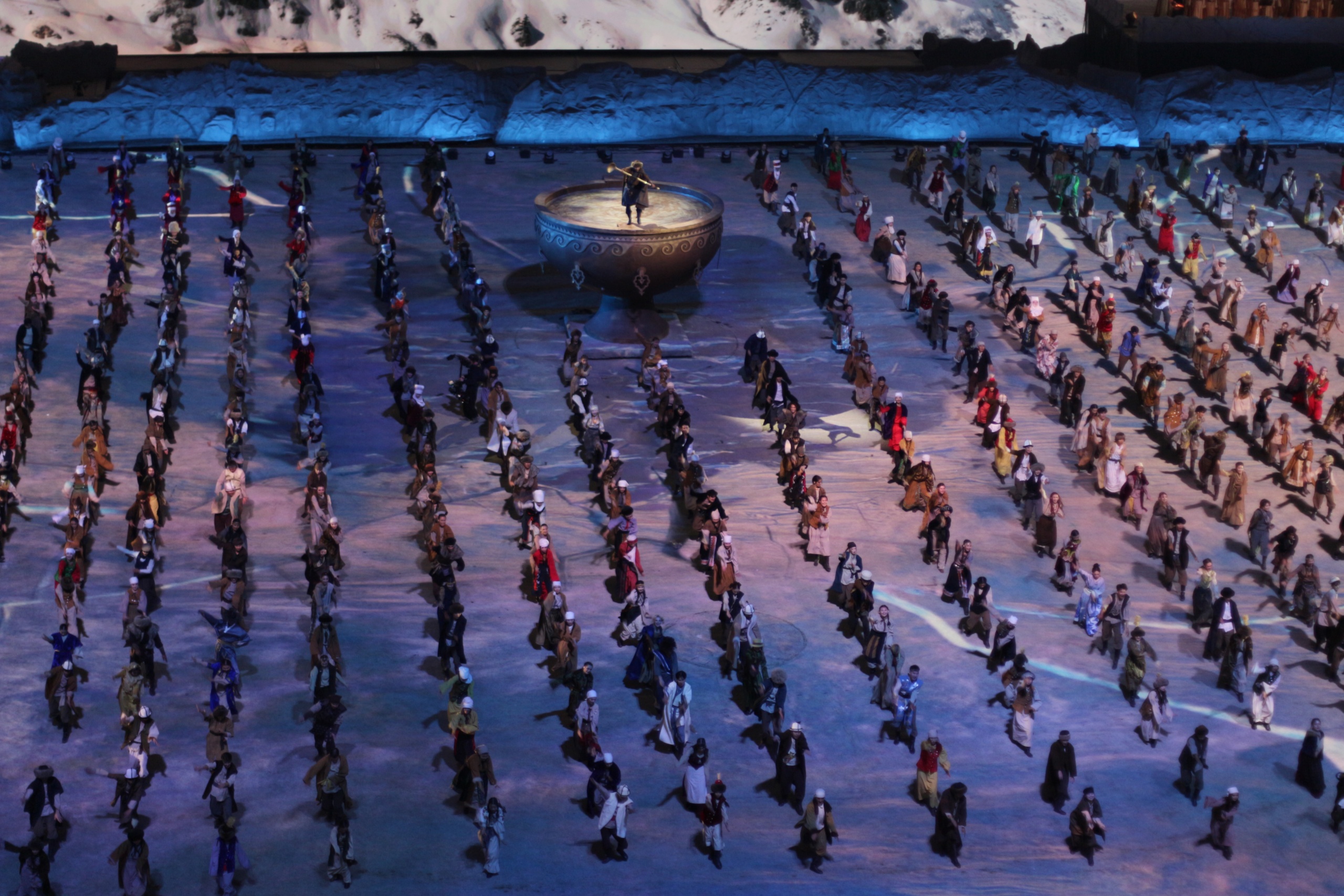
The ceremony itself was ambitious in scope and impressive in execution. It featured nearly seven hours of mini concerts by Kyrgyz pop stars, dance routines that seemed to tell the full scope of nomadic history, and sleek visual effects flashing nonstop in the background.
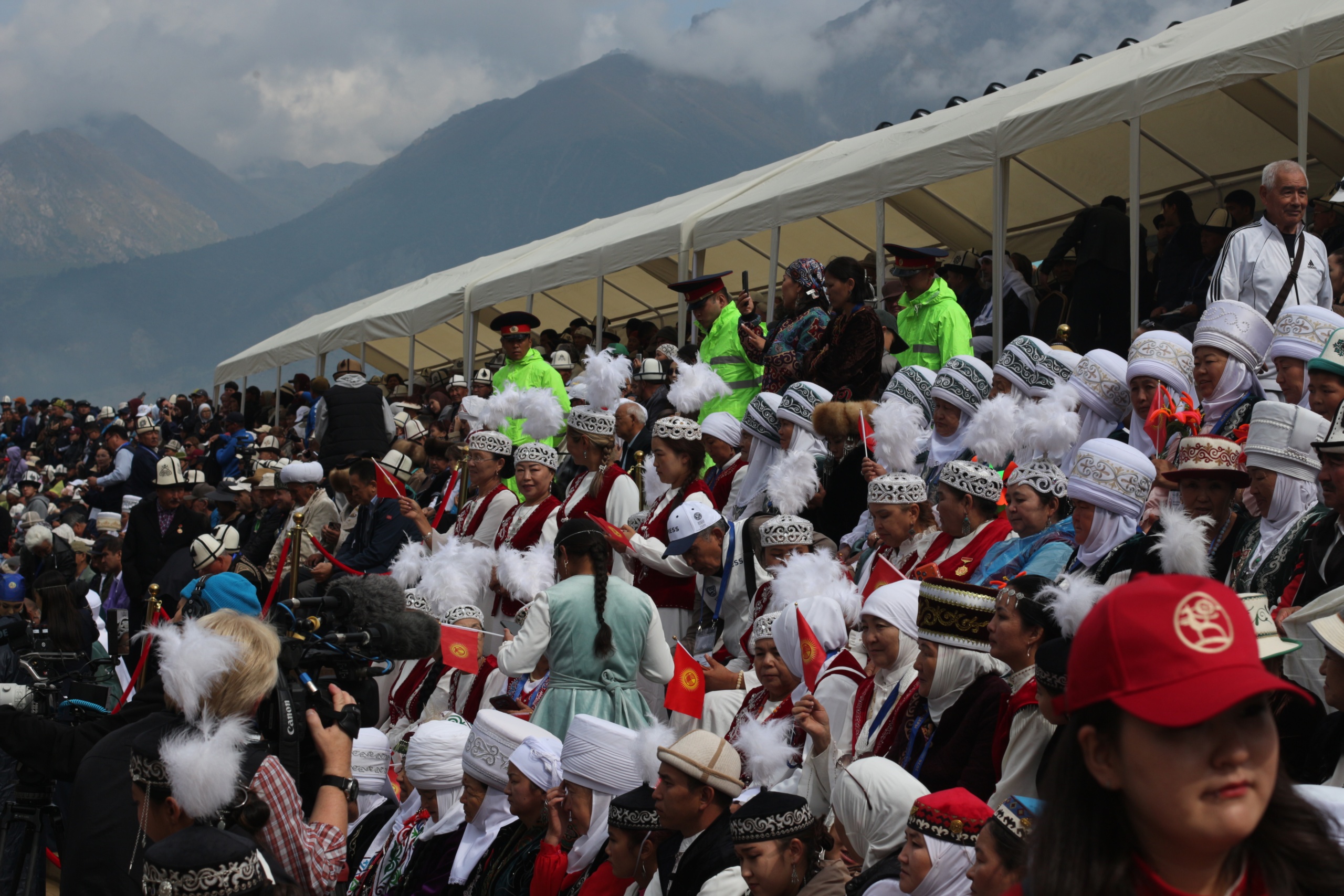
When the Games finally got underway, the picturesque Kyrchyn Gorge quickly became the most popular viewing spot. Organizers say the ethno-village, which featured a bazaar, cultural zones dedicated to each of Kyrgyzstan’s regions and major cities, and sports including tug-of-war, sumo wrestling, and horse archery, drew some 150,000 people a day during the weeklong festivities.
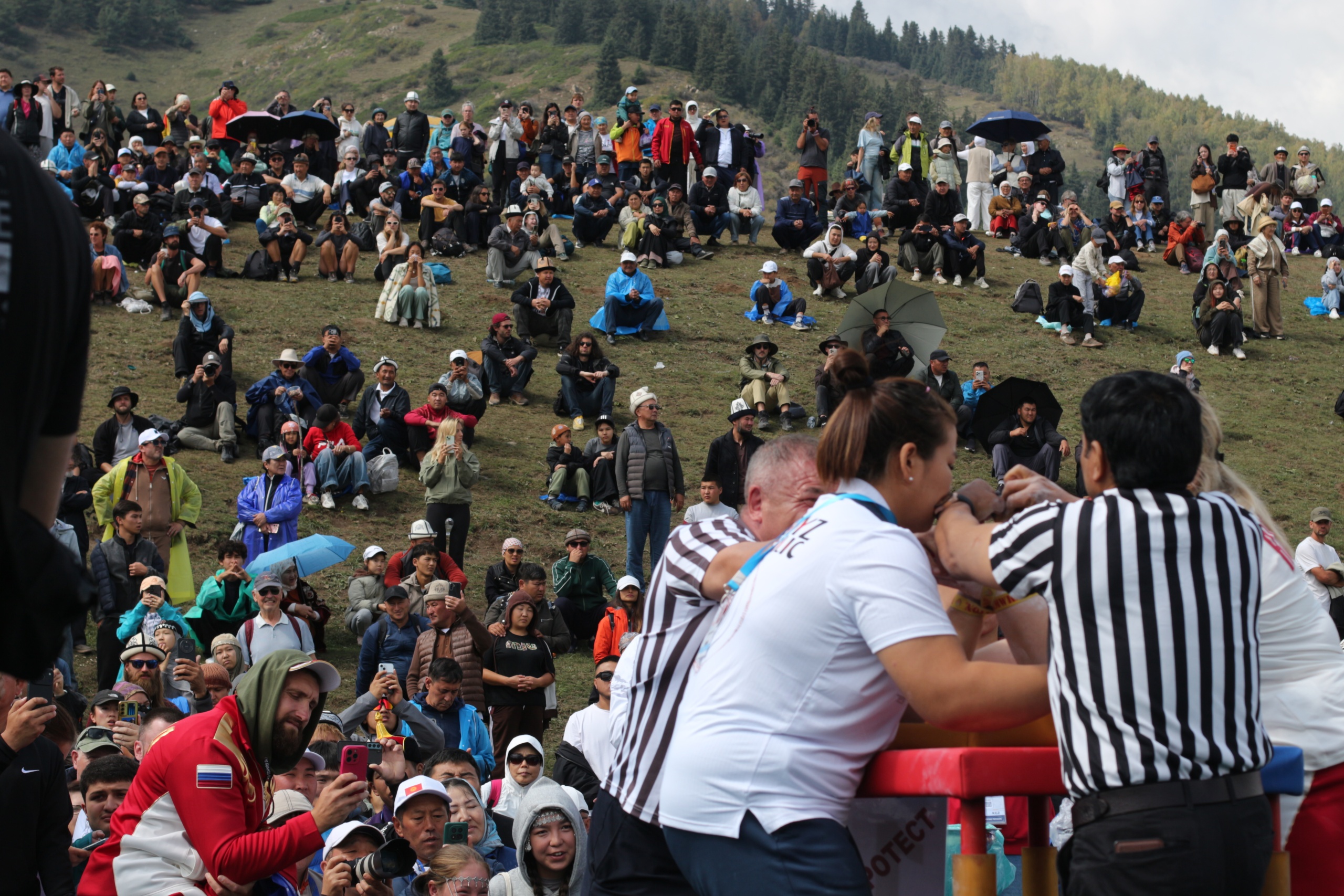
Of all the festivities in Kyrchyn, the largest crowds gathered to view traditional arm wrestling, particularly this semi-final matchup between Kyrgyz wrestler Aizhan Anarbekova and Russia’s Alina Samatova.
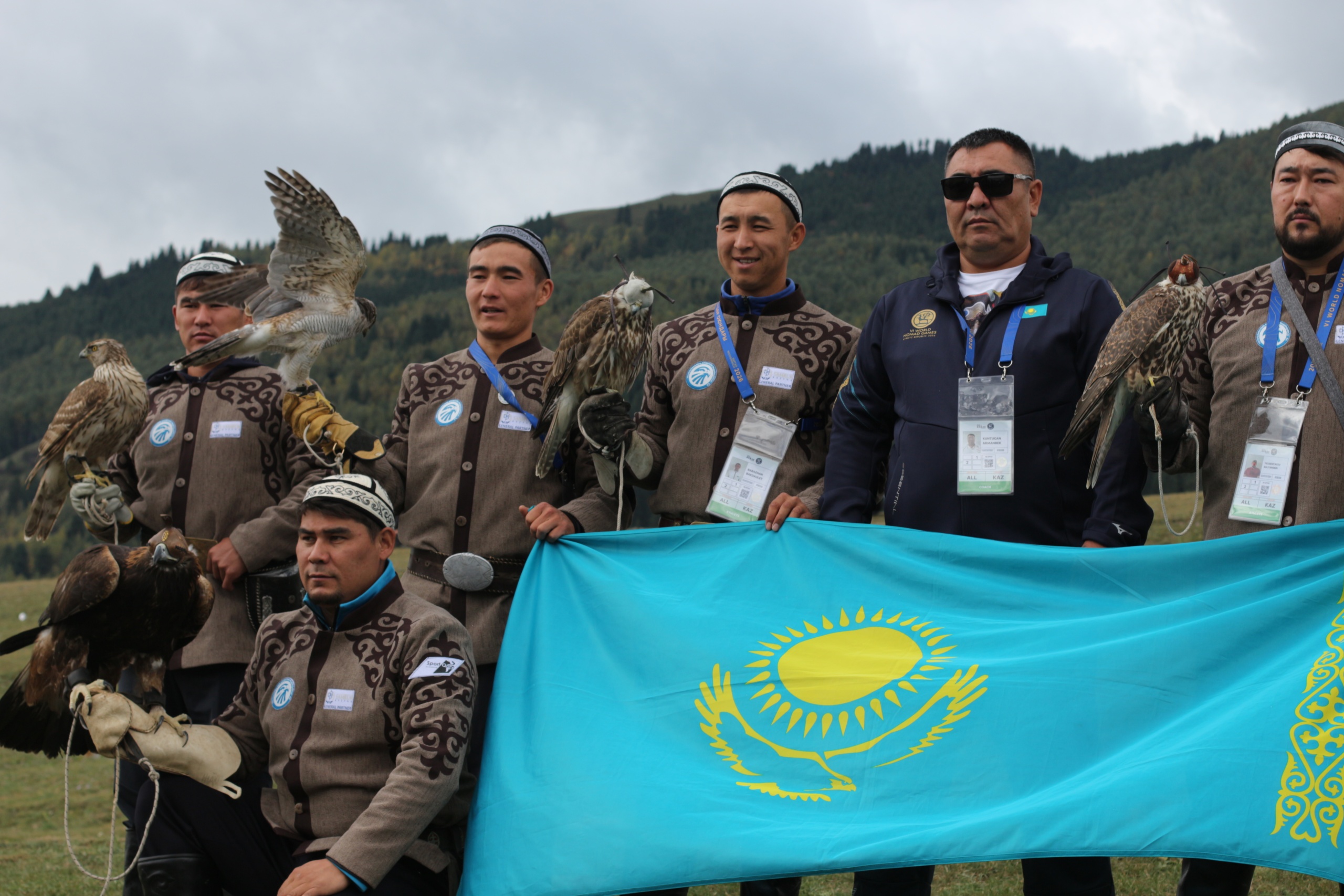
Due to its pace, a harder sport to follow was kusbegilik, a traditional form of hunting that sees trained golden eagles tested on their ability to respond to calls and catch bait.
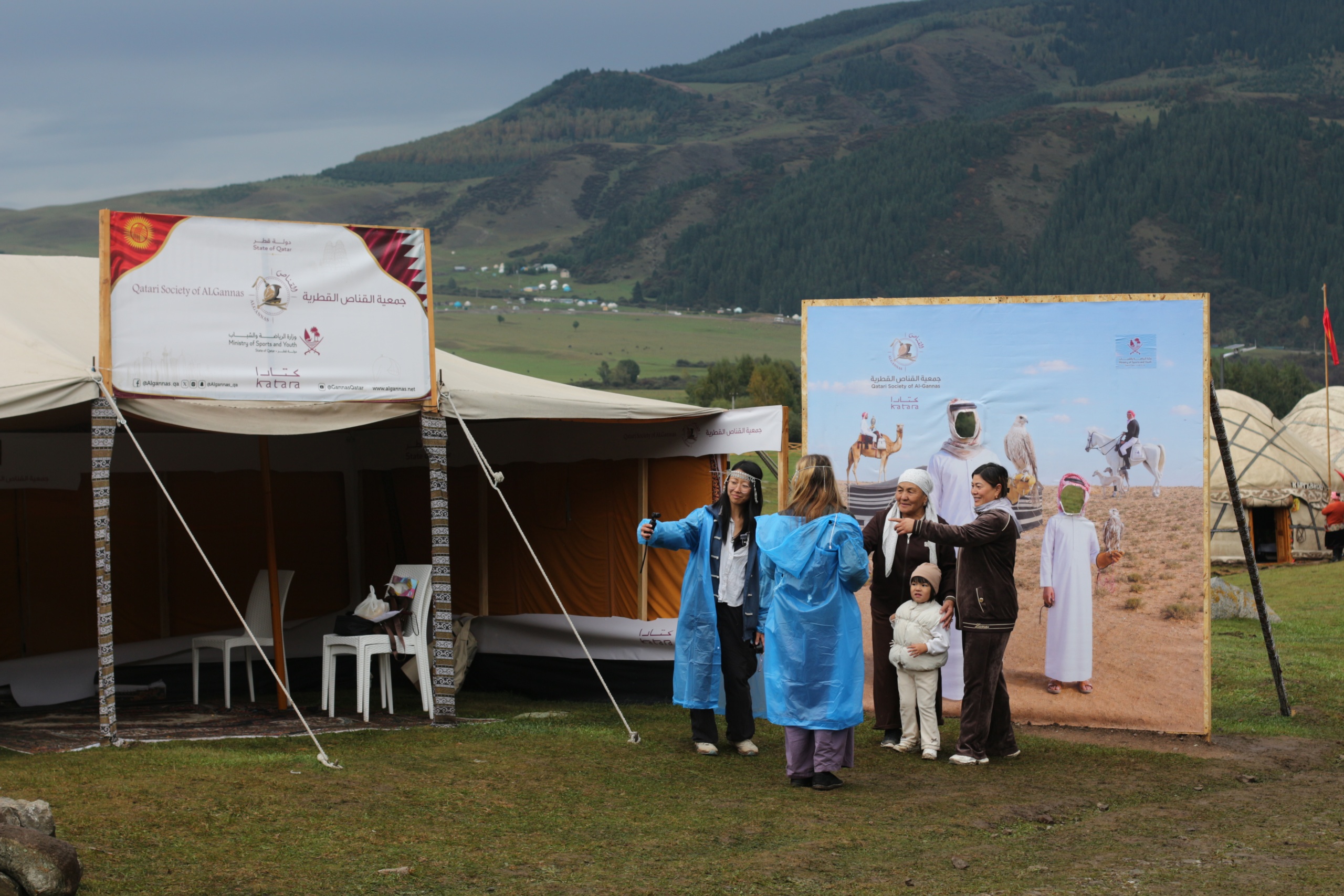
Several countries, including the US, South Korea, Turkey, and organizations like the European Union and UNICEF, also set up their own installations, looking to engage in their own form of “small-yurt” cultural diplomacy during the Games.
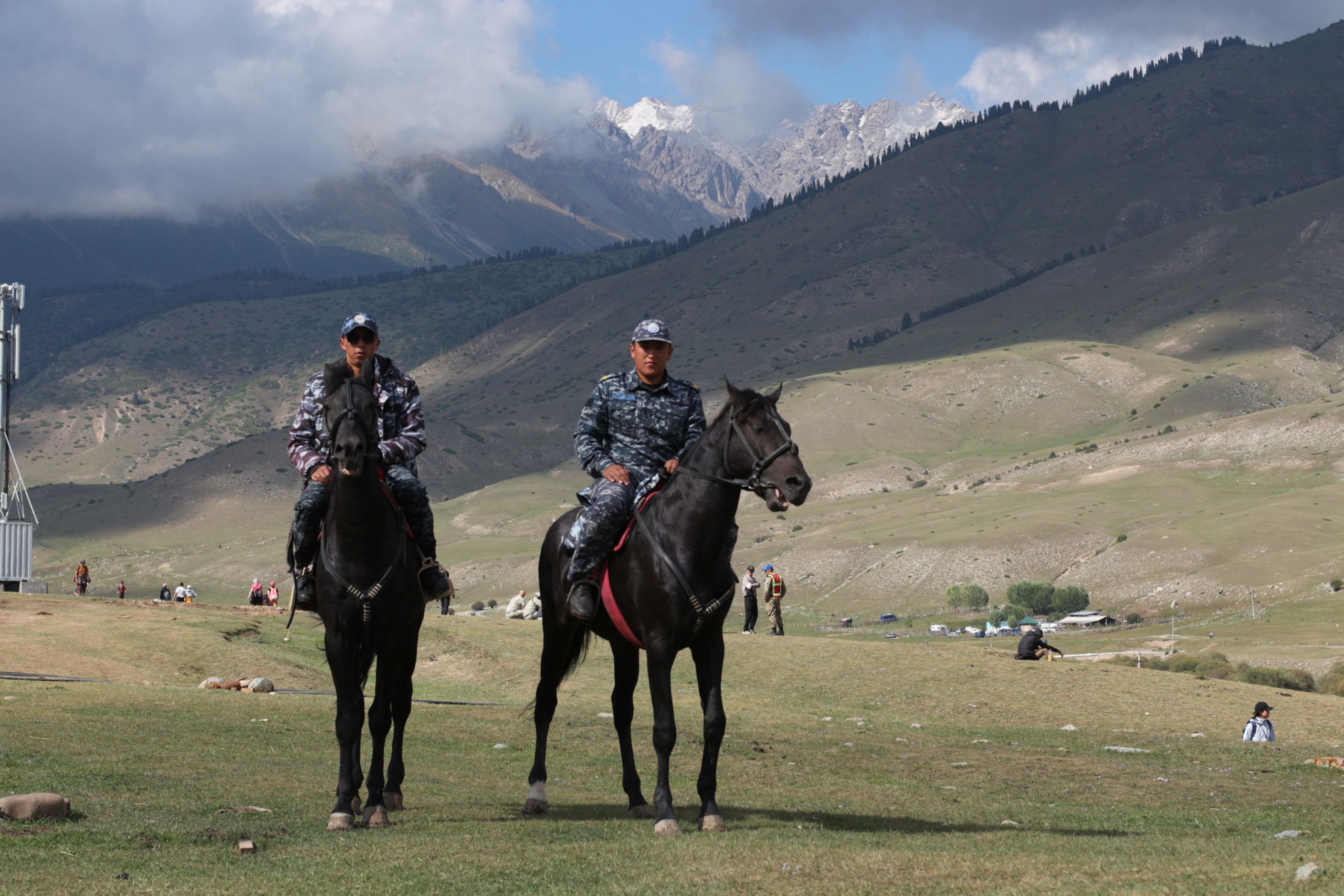
Security, including both local police officers and representatives from the Kyrgyz Army, was a constant presence, even in the most remote parts of the valley.
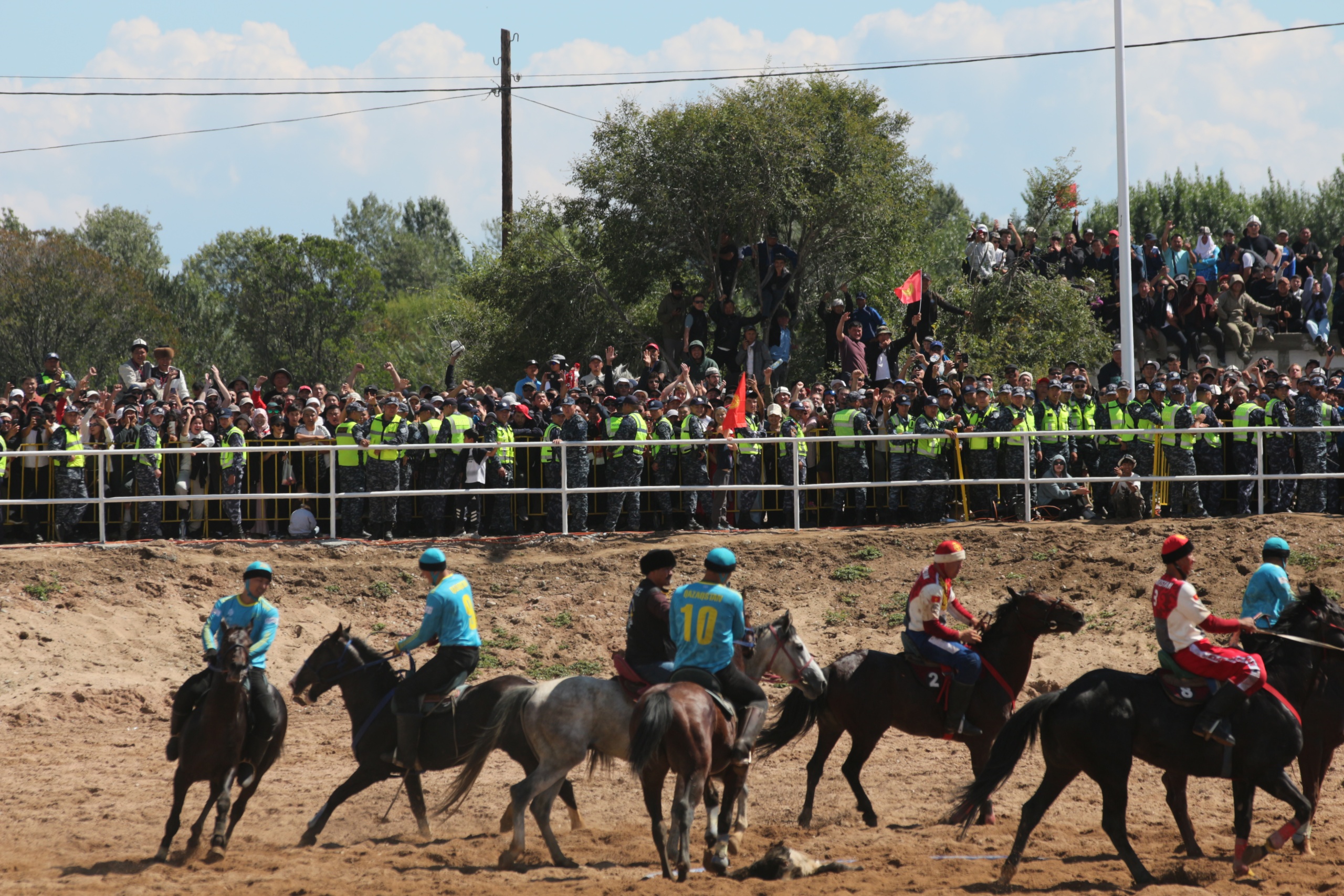
The Games’ most marquee events came on August 6 — the Games’ last day — when Kyrgyzstan and Kazakhstan faced off in the finals of kok-boru and kok-par. The Kyrgyz teams came away victorious in both sports, winning 12-0 and 7-2, respectively.
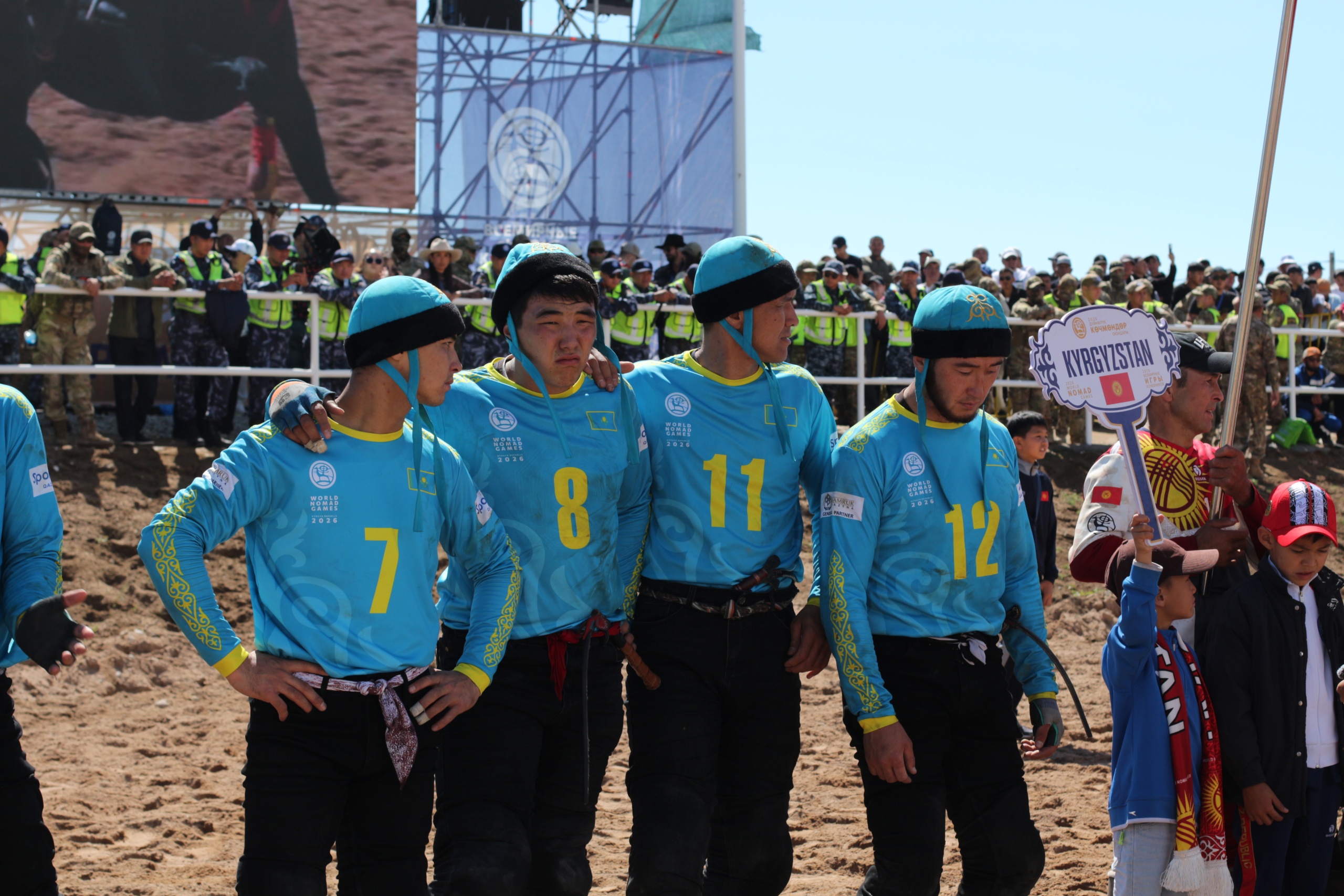
The Kazakh athletes, glum-faced, bloodied, and battered, were in little mood to receive their second-place prizes. For their efforts, they came away with 2 million Kyrgyz som, equivalent to $22,300.
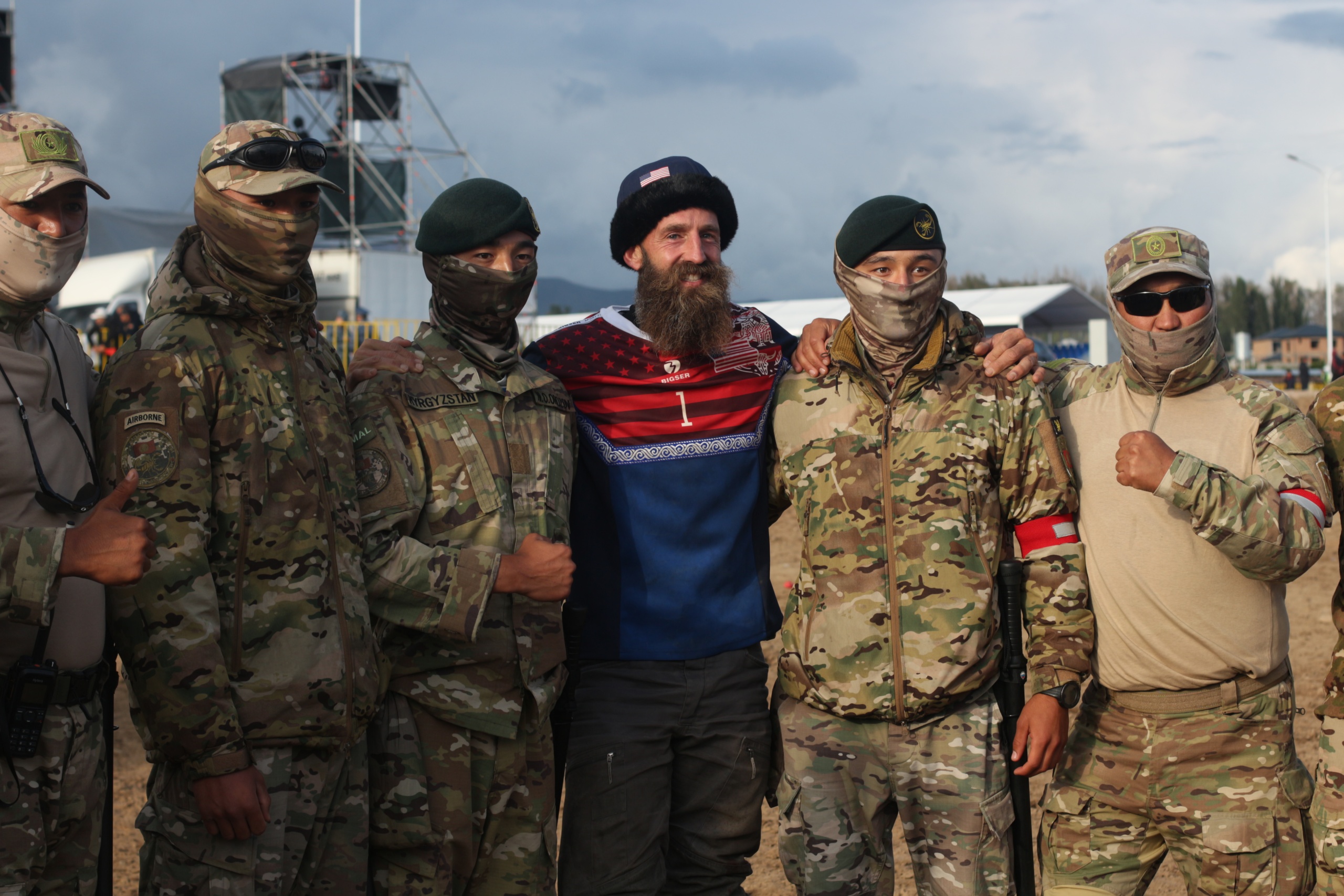
USA team captain Ladd Howell, meanwhile, ended the games on a high note. Despite his team losing all their matches, Howell finished as the top scorer among all kok boru competitors, scoring 15 salyms, or goals.
This article was originally published in Russian on 15 September 2026 by our partner publication Vlast.
Featured images: Oliver Fisk